Home › Commercial Concrete Repair and Restoration
Reliable, professional commercial concrete repair in Fayetteville, NC from Superior Concrete Fayetteville. Contact us today for a free on-site estimate.
Superior Concrete Fayetteville provides professional commercial concrete repair throughout Fayetteville, NC, North Carolina and the surrounding area. Our licensed, insured crew delivers safe, clean, on-time work with a free estimate before anything begins. Call (910) 387-1298 or request your free quote.
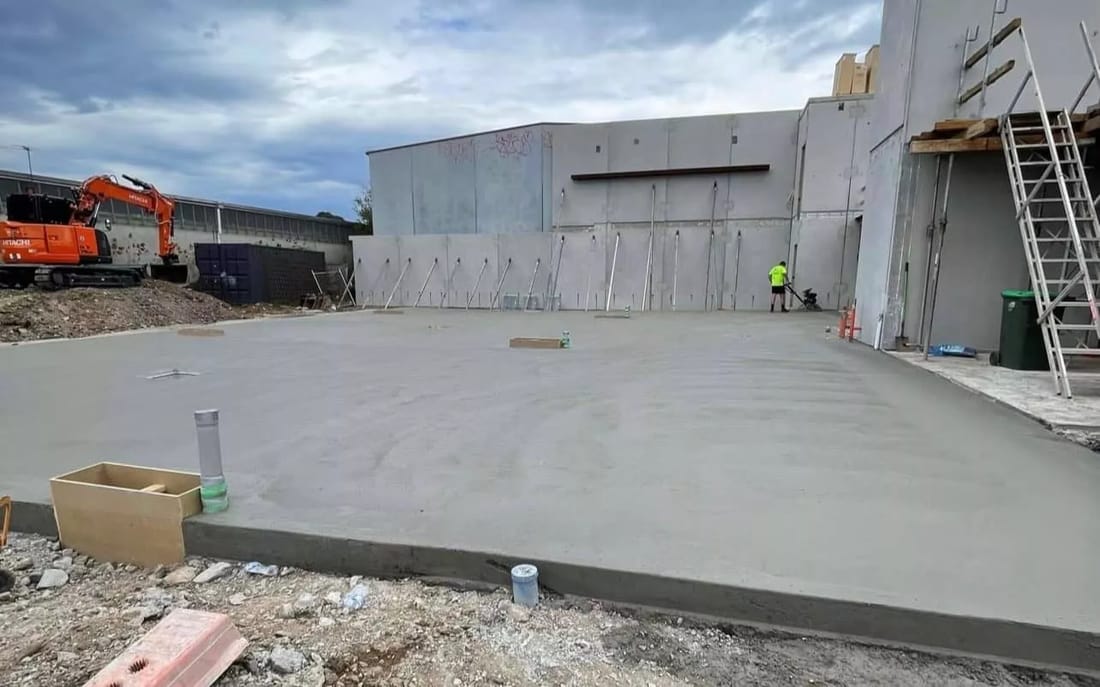
Commercial Concrete Repair for Fayetteville Businesses
Parking lots, loading docks, walkways, and warehouse floors in Fayetteville work hard every day. Heavy delivery trucks, forklifts, military traffic from Fort Liberty, and big temperature swings between hot summers and cold snaps all put stress on commercial concrete. When that concrete starts cracking, spalling, or settling, it is more than a cosmetic issue. It becomes a safety hazard, creates trip risks, traps water, and can damage equipment and vehicles.
Superior Concrete Fayetteville focuses on commercial concrete repair and restoration that keeps your business operational and your property looking professional. We work with retail centers, churches, offices, restaurants, industrial facilities, HOAs, and municipalities across Fayetteville and nearby communities. Our team understands local soil conditions, the way North Carolina humidity affects curing times, and how to phase work so you can stay open while repairs are going on.
Instead of pushing full replacement when it is not needed, we carefully evaluate which areas can be repaired, which need structural attention, and what can be restored for more life with the right treatment. This approach helps local businesses control costs while still protecting their tenants, customers, and employees.
Common Commercial Concrete Problems We Fix
Commercial concrete in Fayetteville usually fails in predictable ways, and understanding the cause is the first step to a lasting repair.
Frequent issues we see include:
• Trip‑hazard cracks and raised slabs along sidewalks, storefronts, and ADA ramps. These often come from tree roots, washout under the slab, or poorly compacted base material.
• Spalling and surface scaling in high traffic areas like drive lanes and loading docks. Hot tires, de‑icing salts, and repeated wet‑dry cycles cause the top layer to break apart and expose the aggregate.
• Settlement and sinking near dumpster pads, drive‑through lanes, and rear service areas. These are usually related to poor drainage, leaking utilities, or loose fill soil.
• Joint failure in warehouse floors and large slabs. When control and expansion joints open up or ravel, forklifts start banging over them and edges quickly deteriorate.
• Drainage‑related deterioration where downspouts, gutters, or poor grading send water across or under the concrete. In Fayetteville, heavy summer storms and hurricanes make this a frequent culprit.
For each of these issues, Superior Concrete Fayetteville does not just patch the surface. We look for the underlying problem so the same area does not fail again after a season or two.
Our Commercial Concrete Repair and Restoration Process
A solid repair starts with a careful assessment. We begin with a site visit, usually during business hours so we can see how your property is actually used. We walk the concrete, take measurements and photos, tap and probe suspect areas to find hollow spots, and ask about drainage, traffic patterns, and previous repairs.
Next we recommend specific repair methods for each area instead of a one size fits all approach. Typical methods include crack routing and sealing, partial‑depth or full‑depth patching, slab leveling, joint rebuilding, and surface resurfacing or overlays. We explain what is structural, what is cosmetic, and what is a safety or ADA issue so you can prioritize.
Before work begins, we plan around your operations. For shopping centers we often work early mornings or in sections so tenants always have safe access. For industrial sites we coordinate with shipping schedules and forklift routes. Traffic control, barricades, and signage are part of the plan so customers and staff stay safe.
During the repair itself, preparation is everything. We sawcut clean edges, remove loose or unsound concrete, clean the area with compressed air or pressure washing as needed, and treat reinforcing steel if rust is present. Only after the surface is sound and clean do we place repair materials, finish them to match the surrounding area, and set up protection for proper curing.
Repair Methods, Materials, and When We Use Them
Different concrete problems need different solutions and materials. Superior Concrete Fayetteville selects products based on traffic load, exposure, and how quickly you need to reopen the area.
For non‑structural cracks that still have sound edges, we often use mechanical routing followed by a high performance polyurethane or epoxy crack filler. Routing creates a uniform reservoir so the sealant can flex with seasonal movement and keep water out.
For spalled or broken edges at joints and slab corners, we remove the damaged section and place a polymer modified repair mortar or a rapid set repair concrete. In loading docks and warehouse aisles we frequently use rapid strength mixes so forklifts and trucks can return within hours instead of days.
When slabs have settled but are otherwise intact, slab leveling is usually more economical than replacement. Depending on the load and soil conditions, we may recommend traditional cementitious grout pumping or high density foam injection. Foam can be a good choice near sensitive utilities because it is lighter, while grout is often preferred for larger, heavier slabs.
For widespread surface wear, chemical damage, or to refresh older concrete, we may install a bonded overlay or microtopping. These toppings can restore a smoother, safer surface and, when appropriate, allow for skid resistant or decorative finishes that stand up to commercial traffic.
Joint repairs in industrial spaces are done with semi‑rigid joint fillers to protect joint edges from chipping. We clean and re‑cut joints as needed, then install the filler so wheels roll smoothly with less impact and vibration.
How Fayetteville Weather and Soil Affect Your Concrete Repairs
Local conditions in Fayetteville and Cumberland County play a big role in both concrete damage and how we schedule repairs.
Our hot, humid summers, periods of heavy rain, and occasional freezing nights create cycles of expansion and contraction. Poorly drained slabs move more than they should, which widens cracks and washes out the base under your concrete. We pay close attention to existing drainage and may recommend added gutters, re‑grading, or trench drains around problem areas so that your repair holds up.
Clay‑rich soils in parts of Fayetteville can hold water, then shrink when they dry out. This repeated swelling and shrinking contributes to settlement and heaving. When we see this, we adjust our approach, often improving the base, using stabilization techniques where practical, and selecting repair products with good bond and flexibility.
Weather also affects timing. In peak summer heat, we schedule certain repairs in the early morning to reduce rapid moisture loss, which can cause cracking or weak surfaces. In colder snaps, we use cold weather curing practices and products rated for lower temperatures. Our goal is not just to get the job done, but to do it at a time and in a way that gives your repairs the best chance at a long service life.
What Drives Cost in Commercial Concrete Repair
Every property is different, so we explain what is influencing your estimate instead of handing you a single number with no context.
Key cost factors include:
• Extent and depth of damage. Hairline surface cracking costs much less to address than deep structural cracks, wide joint failures, or slabs that have dropped several inches.
• Accessibility and traffic control. Tight courtyards, busy drive lanes, or work that must be done entirely at night or on weekends requires more labor, set up time, and sometimes specialized equipment.
• Chosen repair method and materials. Rapid setting materials that allow same day reopening are more expensive than conventional mixes, but for some businesses the reduced downtime makes them the smarter economic choice.
• Site conditions. Poor drainage, underlying soil issues, or the need to coordinate with other trades, such as plumbing repairs beneath a slab, can add time and complexity.
• Finish and appearance requirements. A basic utilitarian repair at the back of a warehouse is different from a visible entry plaza at a medical office. Matching existing broom patterns, colors, or decorative finishes adds detail work that is reflected in the price.
Superior Concrete Fayetteville is upfront about these factors, and when budget is tight we help you prioritize high risk areas first, then plan additional phases when it makes sense.
Why Fayetteville Businesses Choose Superior Concrete Fayetteville
Local property managers and owners come back to us because we treat their sites like our own neighborhood. We live and work here, so we understand that a failed sidewalk at a church or a broken dock ramp at a distribution center is not just a line item. It affects attendance, deliveries, and safety.
We are fully insured, familiar with local codes and ADA accessibility requirements, and used to working around busy schedules. Our crews communicate clearly on site, keep work areas as tidy as possible, and respect your tenants and customers.
Before we leave, we walk the repaired areas with you, point out what was done, and provide basic maintenance recommendations, such as when to reseal, how to manage de‑icing products, and what to watch for in the future. For larger properties we can also help set up a simple inspection schedule so small issues are caught early instead of turning into major slab failures.
If you manage or own commercial property in Fayetteville, NC and need commercial concrete repair or restoration, Superior Concrete Fayetteville can inspect your site and put together a practical, phased plan that fits your operations and protects your investment.